How to Use a Detroit Beat in 2026 Without Getting Your Song Pulled
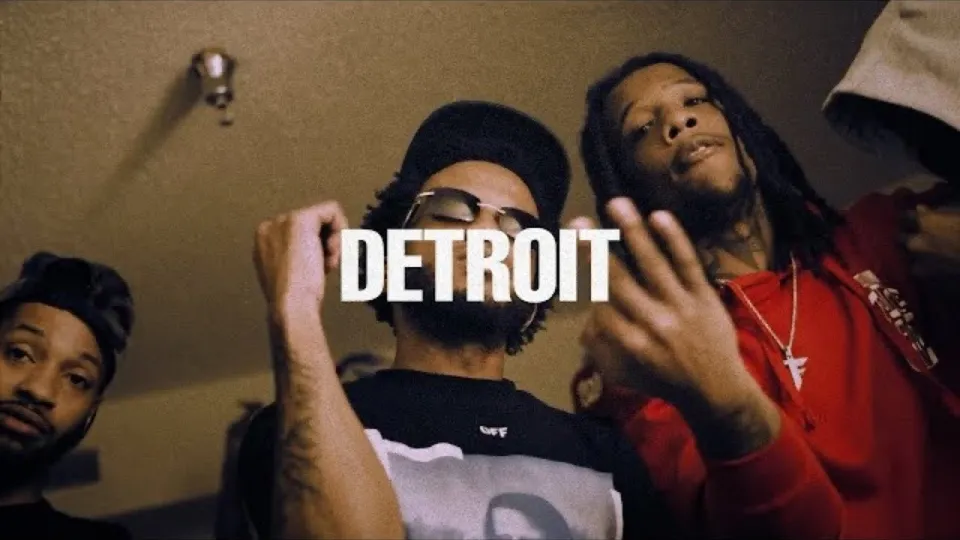
Video: [FREE] Detroit Type Beat - "Trenches"
Want articles like this for your own video to promote it on YouTube and Google? Order them through the Telegram bot @sat_sit_bot. Articles with your video embedded are written and posted by the bot itself — on popular topical sites (no ads). Your first 50 articles are free.
A Detroit beat is an instrumental built on the rhythmic and tonal habits of Detroit rap and Detroit drill: hard-hitting drums, fast rolling hi-hats, dark melodic loops and heavy sliding 808 bass, usually sitting around 140-150 BPM. Producer Damerunitup published one such instrumental, "Trenches," as a free Detroit type beat, and you can grab the paid version through the buy-one-get-one-free offer at bsta.rs/57l1i. The free file is meant for writing and demos, while any release on streaming platforms needs a license.
What separates a Detroit beat from other type beats
A Detroit beat is defined less by a single drum kit than by attitude and arrangement: sparse, menacing loops, punchy kicks, and hi-hat patterns that push the vocal forward instead of competing with it. Producers building in this lane typically work at 140-150 BPM, sometimes half-time, so a rapper can ride the beat in double time or lay back behind the snare.
Key ingredients you will hear in most Detroit instrumentals:
- A dark melodic core — a piano, bell, string or synth loop, often minor-key and only two to four bars long.
- Drums that hit early — the kick pattern usually lands on or just before the downbeat to create urgency.
- Sliding 808 bass that follows the melody rather than sitting statically on the root note.
- Space in the mid-range, so ad-libs and punch-ins cut through without extra mixing.
- A short intro, usually eight bars or fewer, because the vocal is expected to start fast.
That combination is why the genre travels so well: the same instrumental can carry a street record, a club record or a slowed-down, moody freestyle.
How the free download and the license actually work
A free Detroit type beat is not the same as a free beat to release. When a producer uploads an instrumental with "FREE" in the title, the usual terms are: you may download it, write to it, record demos and post non-monetized content, but distribution to Spotify, Apple Music, YouTube Content ID and similar services requires a paid license.
The video description for "Trenches" states this directly: purchase a license if you want to upload your song to Spotify and Apple Music, because songs without a license will be hit with a copyright claim. In practice that means the free version is a writing tool and an audition, not a release-ready master.
What you typically get when you buy the license:
- Untagged WAV and MP3 files, so no producer voice tag interrupts the record.
- A written agreement naming you as the artist and the producer as the beat owner.
- Defined distribution limits, which vary by tier (streams, monetized videos, live performance).
- The option to register the song with a distributor without an immediate claim against your release.
If you only ever freestyle over the beat for a phone video, the free download is enough. The moment money, streams or Content ID enter the picture, the license is the cheaper path.
Where "Trenches" sits in the Detroit type beat catalog
"Trenches" is a hard Detroit type beat published by the channel Damerunitup, and it follows the darker end of the Detroit drill spectrum rather than the bouncier, sample-driven side. The title itself signals the register: tense, street-level, built for aggressive delivery and short, punchy hooks.
The channel's catalog runs on the same logic. Buyers and listeners can browse the full beat store at https://damerunitup.com/, follow new drops on Instagram at https://www.instagram.com/damerunitup/, and contact the producer directly at Dame@damerunitup.com for custom work, exclusives or licensing questions. The offer attached to "Trenches" is buy one, get one free, which effectively doubles the value if you are picking instrumentals for a project rather than a single song.
For an artist, that matters more than it sounds. Most Detroit-type records are made in batches: you pull four or five beats, write to all of them, and keep the two that fit the vocal. A buy-one-get-one structure supports exactly that workflow.
Picking a Detroit beat that fits your flow
Choosing a Detroit beat is a tempo and pocket decision before it is a taste decision. The most common mistake is picking an instrumental that sounds impressive on its own but leaves no room for a vocal.
A practical way to test a beat:
- Play it at full speed and record sixteen bars. If you run out of breath or rush the pocket, the tempo is above your comfort zone.
- Play it at 0.75x and then 0.5x. Listeners in the comments on "Trenches" mention exactly this — slowing the beat down to find a different cadence or to write a slower, heavier verse. If the instrumental still knocks at reduced speed, it is flexible enough to build a whole song around.
- Check the low end on phone speakers. Detroit beats lean on the 808, and a bass line that only translates on studio monitors will disappear on the platform where most people will hear your record.
- Count the loop. If the melodic phrase repeats every two bars with no variation, plan your own arrangement: drop the drums for the intro, cut the beat for the last bar of the hook, or add a filter sweep.
Tempo flexibility is one reason Detroit instrumentals get used across drill, trap and even slower, melodic styles. The beat does not lock you into one subgenre as long as the drums and the bass still hit.
Common questions from artists before they record
Most hesitation around free type beats comes down to three things: whether the download is genuinely usable, whether the beat is already taken, and whether a song built on it can be released without trouble.
On usability: a free download is fine for writing, demos and non-monetized posts. On exclusivity: unless you buy an exclusive license, the same instrumental can be licensed to other artists, so two songs can share a beat — this is normal in the type beat market and not a legal problem. On release: buy the license tier that matches your distribution plan before you upload, not after a claim appears.
A second cluster of questions is artistic. Artists ask whether a Detroit beat has to be rapped in double time (it does not), whether the beat needs a hook section built in (usually it does not, so you or the producer must create one), and whether slowing the beat down changes the license (it does not — a licensed derivative is still covered by the same agreement, though major edits are worth confirming in writing with the producer).
Useful links
- Buy "Trenches" and other beats (buy one, get one free): https://bsta.rs/57l1i
- Beat store and catalog: https://damerunitup.com/
- Instagram for new drops: https://www.instagram.com/damerunitup/
- Licensing and custom work: Dame@damerunitup.com
Final thoughts on recording over a Detroit beat
A Detroit beat is a tool, and "Trenches" is a well-built one: dark melodic loop, hard drums, and enough space for a vocal that does not need to shout to be heard. Treat the free download as your writing room and the license as your release paperwork, and the process stays simple. Damerunitup, the producer behind the channel and the beat, keeps the terms clear in the video description, which is more than many uploads do. If the instrumental fits your voice, start with the buy-one-get-one offer at bsta.rs/57l1i and pick a second beat while you are there. Write to two, keep one, and license it before it goes anywhere near a distributor.
Key takeaways
- A Detroit type beat is a producer-made instrumental built on the city's drill and trap sound: fast hi-hats, dark piano or synth loops, sliding 808 bass and 140-150 BPM tempos.
- Damerunitup's "Trenches" is offered as a free download for writing and demos, with a paid license required for Spotify, Apple Music and other monetized releases.
- The beat store link bundled with the video is https://bsta.rs/57l1i, and the offer attached to it is buy one, get one free.
- Free downloads usually mean tagged, non-profit use only; uploading a song built on an untagged beat without a license triggers copyright claims.
- Listeners in the comments repeatedly slow the beat down (0.5x-0.75x) and speed it up to test flows, which is a normal part of picking a Detroit instrumental.
Questions & answers
Can I release a song on Spotify using a free Detroit type beat?
Not with the free download alone. Free type beats are meant for writing, demos and non-monetized use, and the description of "Trenches" states that songs without a license will be hit with a copyright claim. You need to buy the license tier that matches your distribution plan before you upload to Spotify, Apple Music or any service using Content ID.
Does slowing down a Detroit beat change how it sounds or how I can use it?
Slowing a beat to 0.75x or 0.5x is a common way to find a different cadence, and listeners regularly mention doing it with "Trenches." The pitch and texture change along with the tempo, which can make the record feel heavier, and it does not change your license terms, though large edits are worth confirming with the producer in writing.
Is the beat already used if someone else bought it?
Non-exclusive licenses let the same instrumental go to multiple artists, so more than one song can exist over the same Detroit beat. That is standard in the type beat market and is not a legal problem. Only an exclusive purchase removes the beat from the store and stops further licensing.
How do I contact the producer about licensing or a custom beat?
Damerunitup lists Dame@damerunitup.com for email, https://damerunitup.com/ for the beat store and https://www.instagram.com/damerunitup/ for direct messages. Use email for licensing paperwork, exclusive offers or custom production requests, and the store link for standard purchases.
Source: [FREE] Detroit Type Beat - "Trenches" · Markdown version